Read Beyond the Front Label
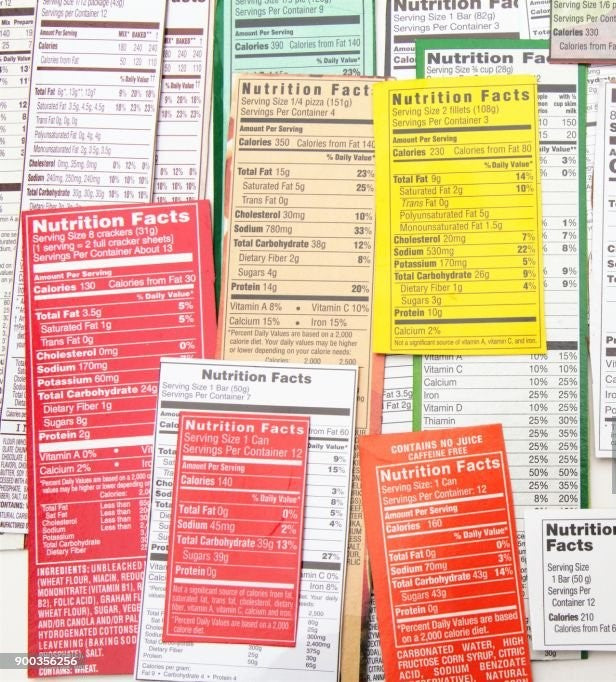
Ignore claims like “plant based protein bar” or “healthy snack.” Instead, check:
✔ Protein: ≥ 10–15g per serving
✔ Fiber: ≥ 3g
✔ Total sugar: ≤ 5g
✔ Ingredient list: short and understandable
Red Flags to Watch
🚫 Multiple syrups or sweeteners
🚫 Sugar alcohols high on the ingredient list
🚫 “Flavours” without clarification
🚫 Protein blended with glucose or maltodextrin
Smarter Alternatives to Protein Bars
If your goal is genuine nutrition, consider:
-
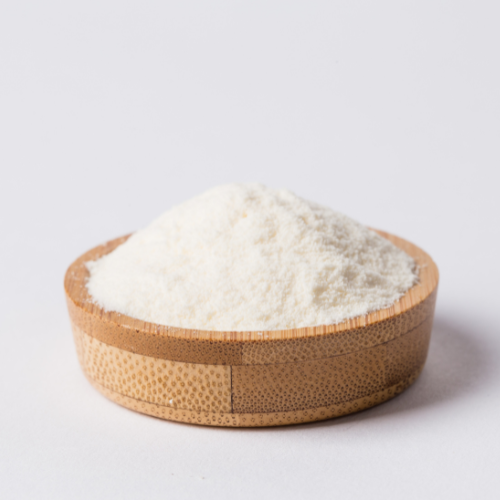
Plant protein powder blended with fruits or nuts
-
Roasted legumes or seeds
-
Nut butter with fruit
-
Homemade protein bites using clean ingredients
These options offer the benefits of plant based protein without the sugar overload.
The Bigger Picture: Health vs Marketing
Protein bars aren’t inherently bad, but most are designed for taste and shelf life, not health. The growing demand for plant based products has unfortunately led to greenwashed nutrition, where “plant based” is used as a marketing shortcut rather than a quality guarantee.
As consumers, the responsibility often falls on us to:
-
Read labels critically
-
Question health claims
-
Choose transparency over trends
Final Takeaway
Protein, especially plant protein can be a powerful part of a healthy diet. But when wrapped in sugar, additives, and misleading claims, it loses its purpose.
Whether you choose a protein powder or a bar, remember:
👉 Plant based does not automatically mean healthy.
👉 Protein content doesn’t cancel out excess sugar.
Real health starts with informed choices, not marketing promises.