Every other health supplement brand today claims to be clean, natural, and plant-based.
But most so-called clean protein powders and protein bars rely on clever marketing, vague claims, and half-truths.
If you truly care about what goes into your body, here’s what you must check before buying your next plant protein:
1. “0 Sugar” Doesn’t Mean Sugar-Free
“Zero sugar” sounds noble until you find dates, jaggery, or coconut sugar on the label.
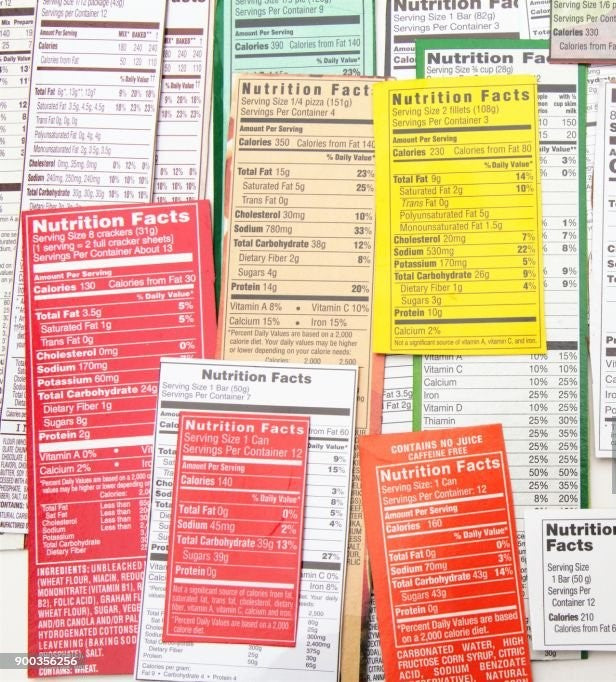
Natural or not, sugar is still sugar. Check the carbohydrate section, if total sugars are high, the claim doesn’t hold.
2. Beware of “Proprietary Blends”
“Proprietary blend” sounds advanced, but it’s actually a loophole.
It lets brands hide ingredient quantities so you’ll never know if your protein powder contains 20g of protein or half that amount.
True clean brands disclose each ingredient and its exact dosage.
3. Fillers in Disguise
Ingredients like coconut milk powder or creamer base often contain maltodextrin, a cheap filler that adds carbs, spikes blood sugar, and reduces actual protein content.
4. Hidden Sweeteners
Ever spotted monk fruit extract or stevia on the label?
Brands often leave out that they’re blended with erythritol so its cheaper for them.
Stevia and sucralose are FDA and EFSA etc. approved, so?
Yes, these sweeteners are regulatory body approved, but approval doesn’t mean healthy.
It just means “not toxic in small doses.”
Long-term studies show mixed results on gut health and glucose response, so don’t confuse regulatory approval with nutritional safety.
5. The Herbal Blend Trap
Adding ashwagandha, tulsi, or moringa sounds Ayurvedic and “clean,” but most are unstandardised herbal blends ,with no control over potency or consistency.
Real clean formulations use standardised, clinically tested extracts, not vague green dust.
6. The Gum Story No One Tells You
Brands love to say “we use plant-based gums like xanthan or carrageenan.”
Here’s the truth: no gum is truly gut-friendly.
Even if plant-derived, these are ultra-processed stabilizers that can irritate the gut and alter your microbiota.
If a “clean” protein needs texture agents to feel creamy, it’s not that clean after all.
7. Clarity Over Cleverness
If a label needs asterisks, disclaimers, or “oops” clarifications later, it isn’t clean.
Real transparency means explaining every ingredient, why it’s there, and how much of it’s used.
👉 In our next blog:
We’ll break down what a truly clean protein looks like — ingredient by ingredient.
Because once you know what to avoid, it’s time to understand what to trust.
At Renewtra, we built India’s first Front-of-Pack Labeled Plant Protein, so you don’t need a chemistry degree to understand your nutrition.
Because clean isn’t a marketing word, it’s a promise.
Renewtra defines how clean is clean.
Product > Marketing.